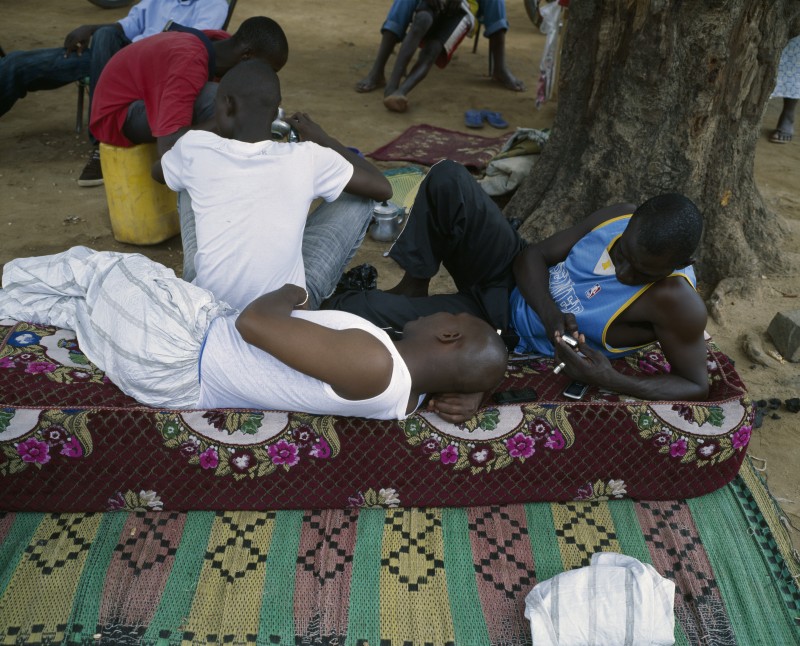
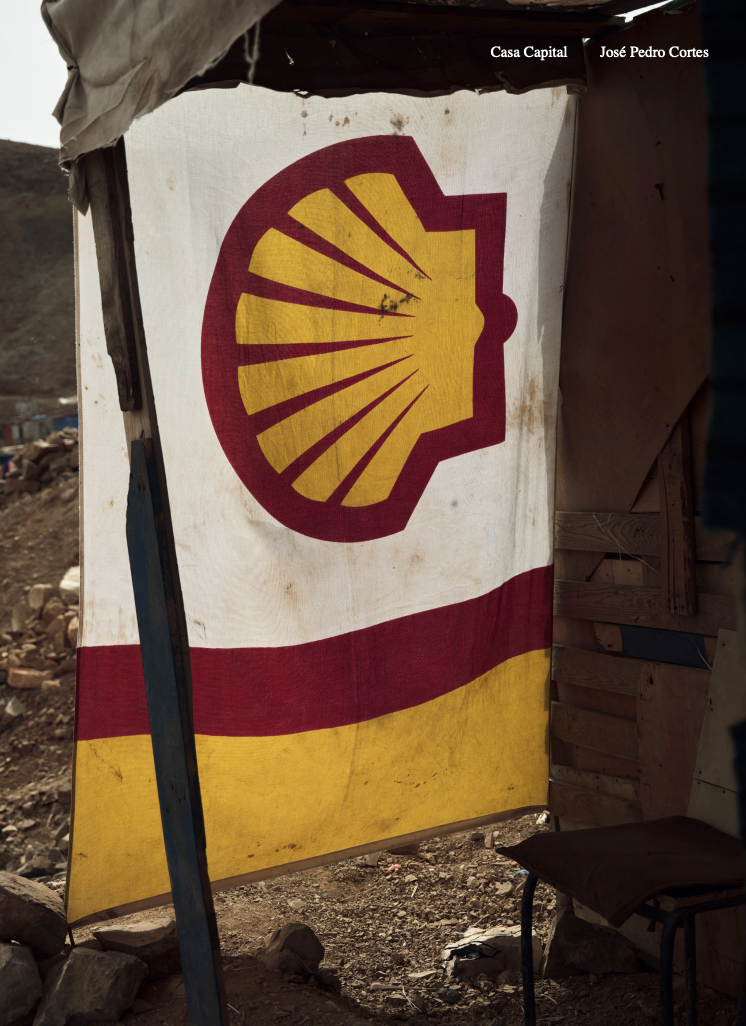
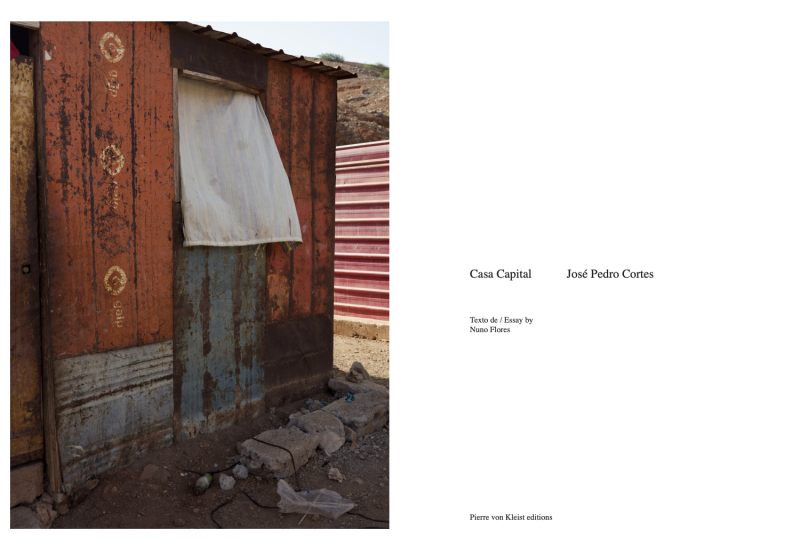
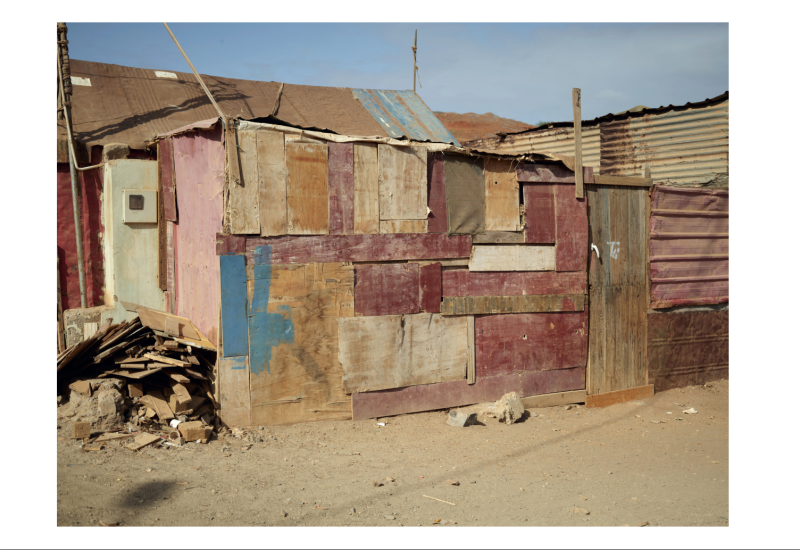
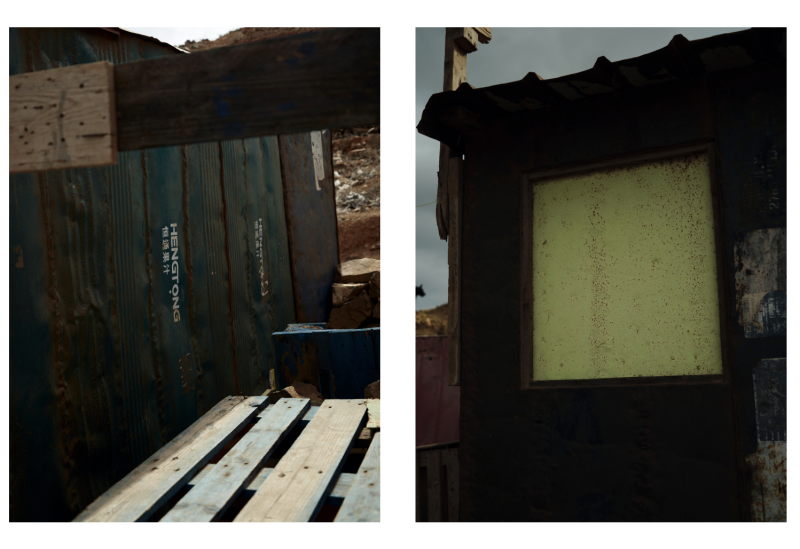
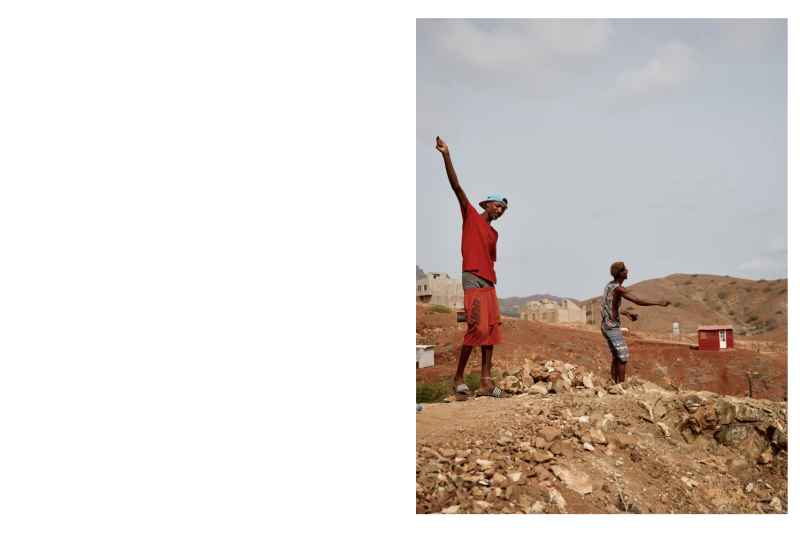
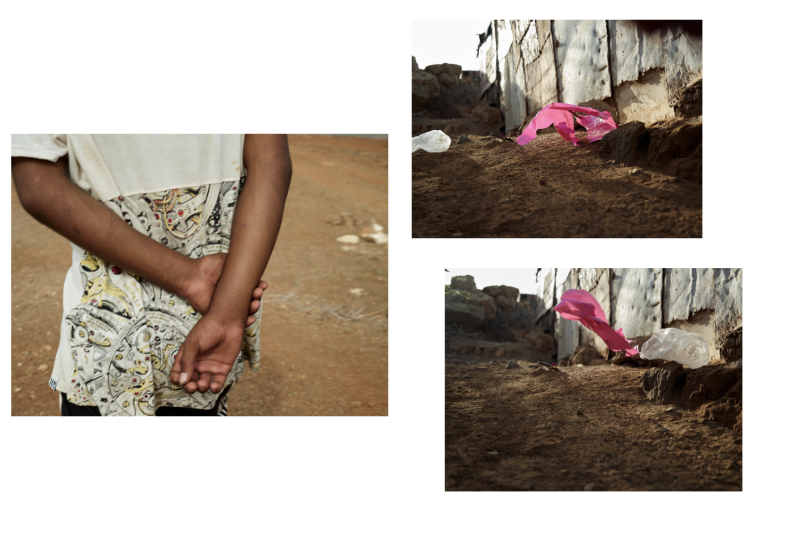
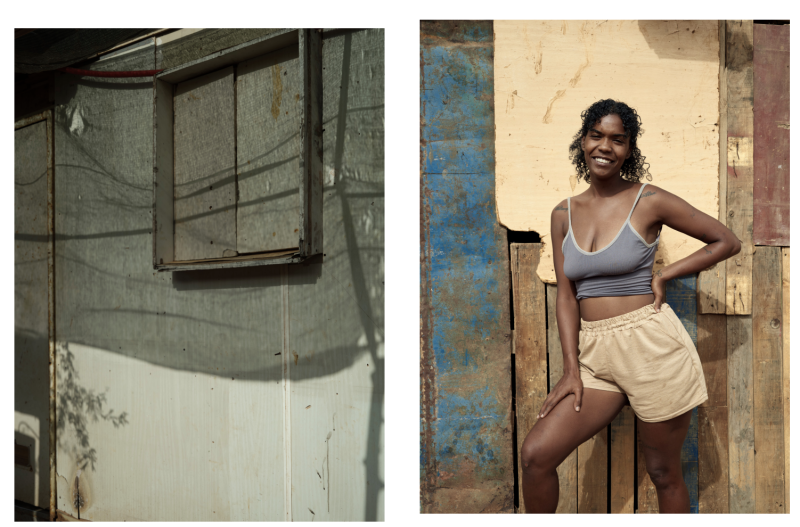
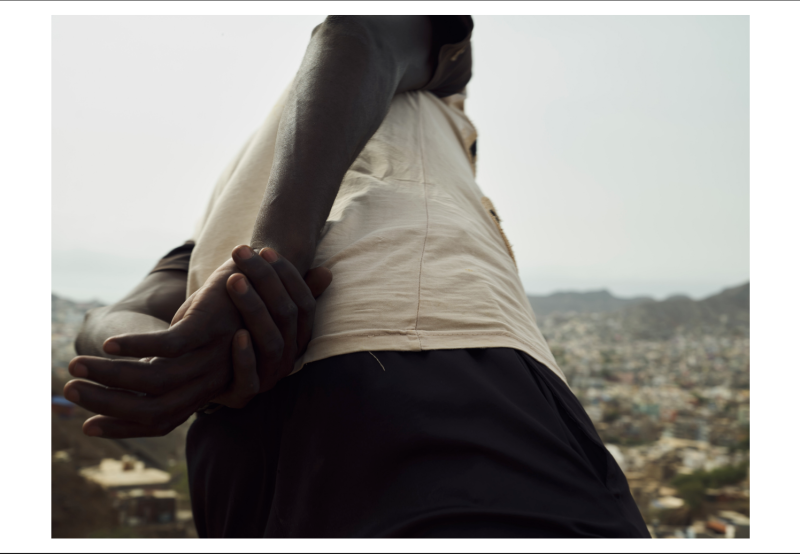
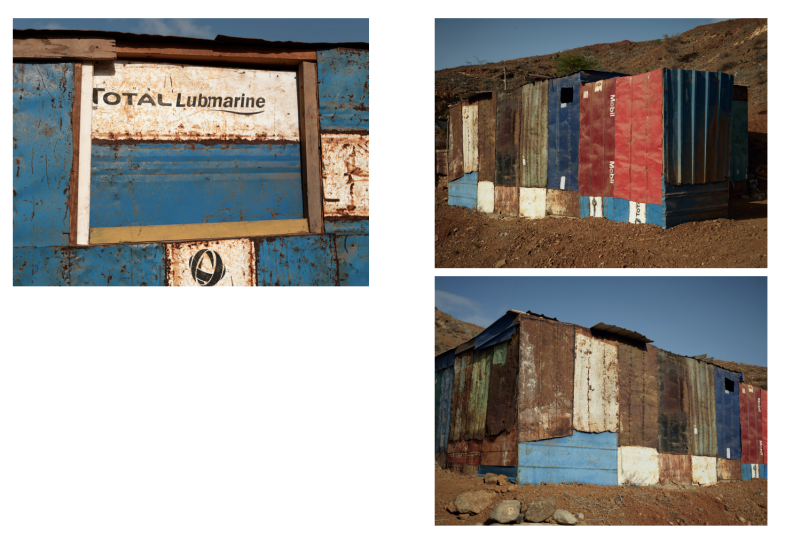
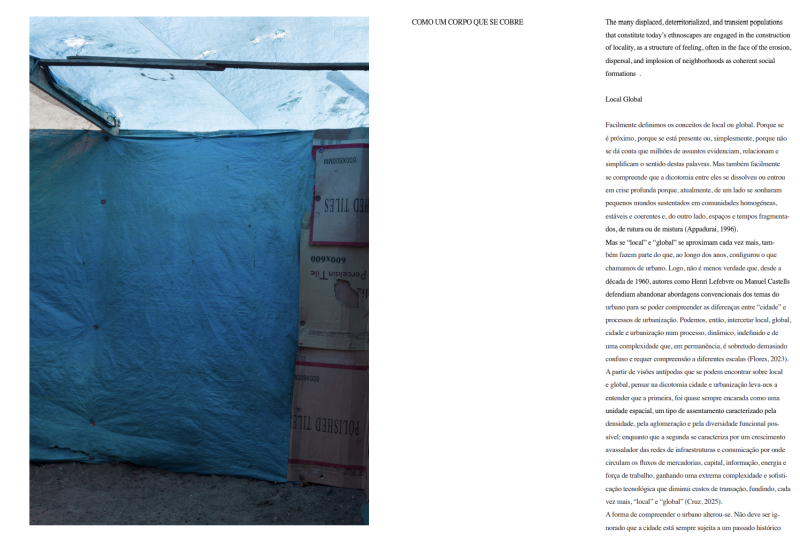
This project reflects on urbanisation in Cape Verde, focusing on Mindelo, on the island of São Vicente. It questions the conventional image of the city and the dichotomy between "local" and "global", arguing that urbanisation is now a planetary, multi-scalar process. It looks at how development narratives and large-scale housing programmes overlook the existing organisation of places: solidarity between neighbours, extended families, emigrant remittances and the small local economy. At its heart is the casa de tambôr, the first stage of the housing process on the island, which stands for the daily resistance of residents and their right to "Estar" in the territory.
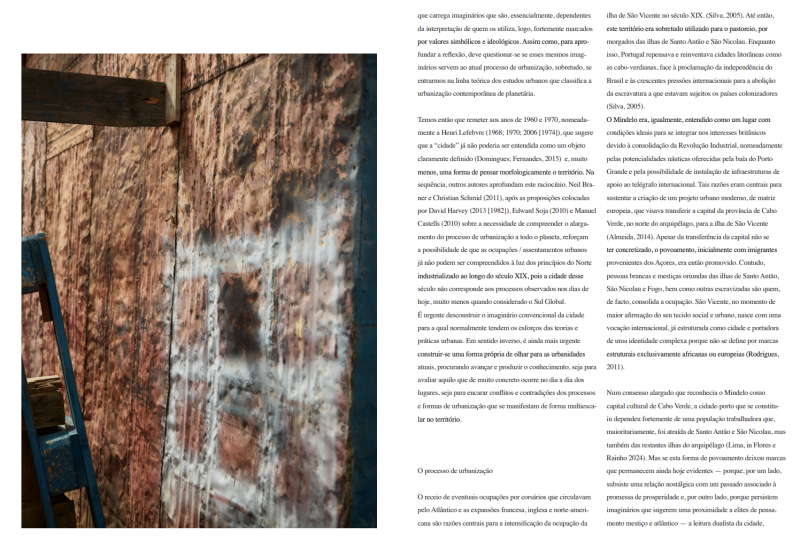
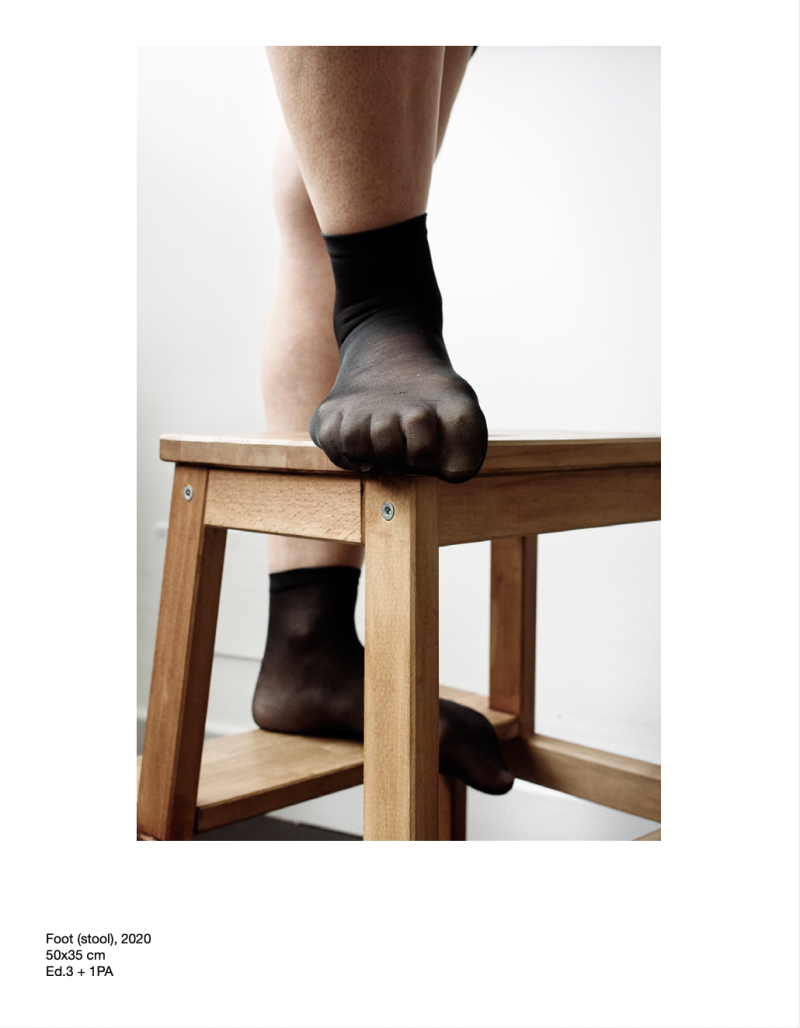
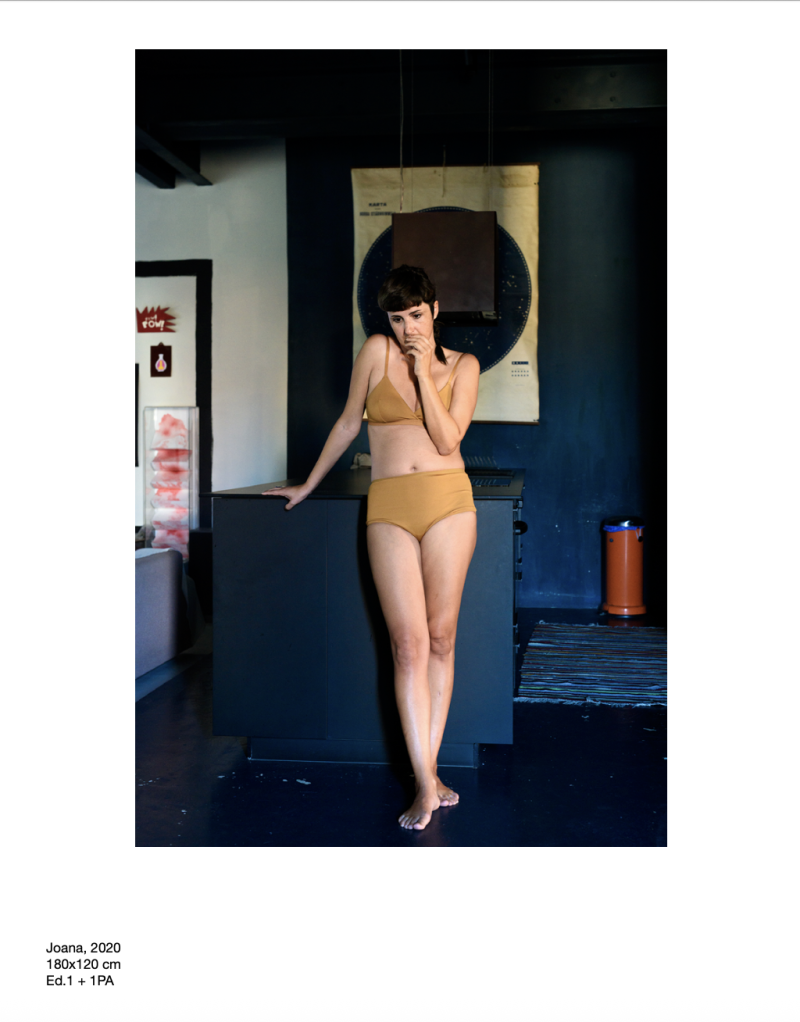
José Pedro Cortes’s second solo exhibition at Galeria Francisco Fino opens the gallery’s 2021 season. Centred on the human figure, nature and architecture, CORPO CAPITAL brings together new work in which still lifes, suspended bodies and fragile or abandoned buildings create an atmosphere both beautiful and unsettled, shaped by the artist’s desire to engage with the time we live in.
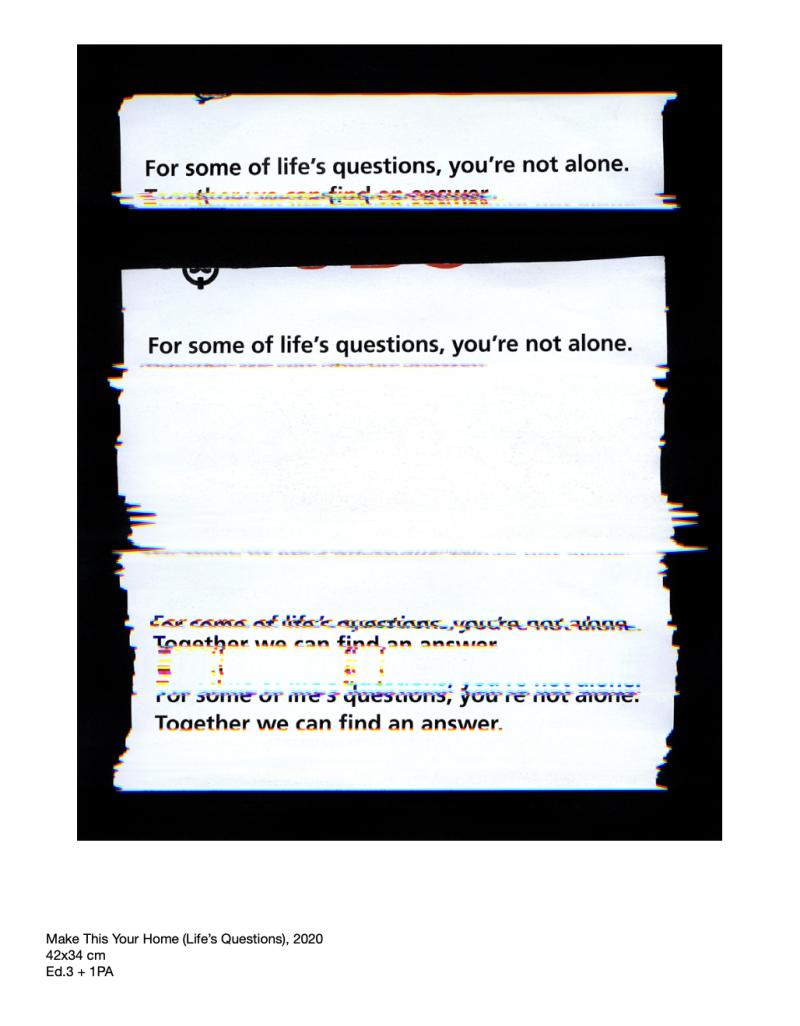
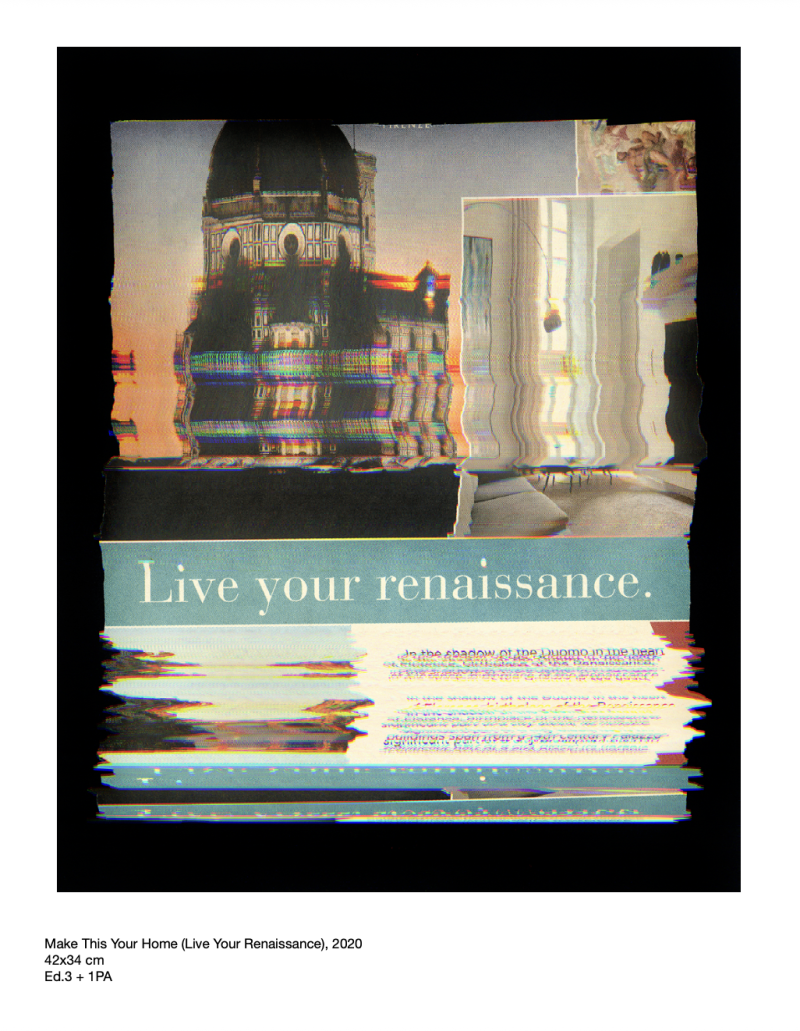
The show presents for the first time Make this your Home, a series created by digitally manipulating real estate advertisements from 2020 newspapers. Made in the midst of the pandemic and a booming luxury property market, the images expose the tension between the home as shelter for the body and the commercial language of capitalism.
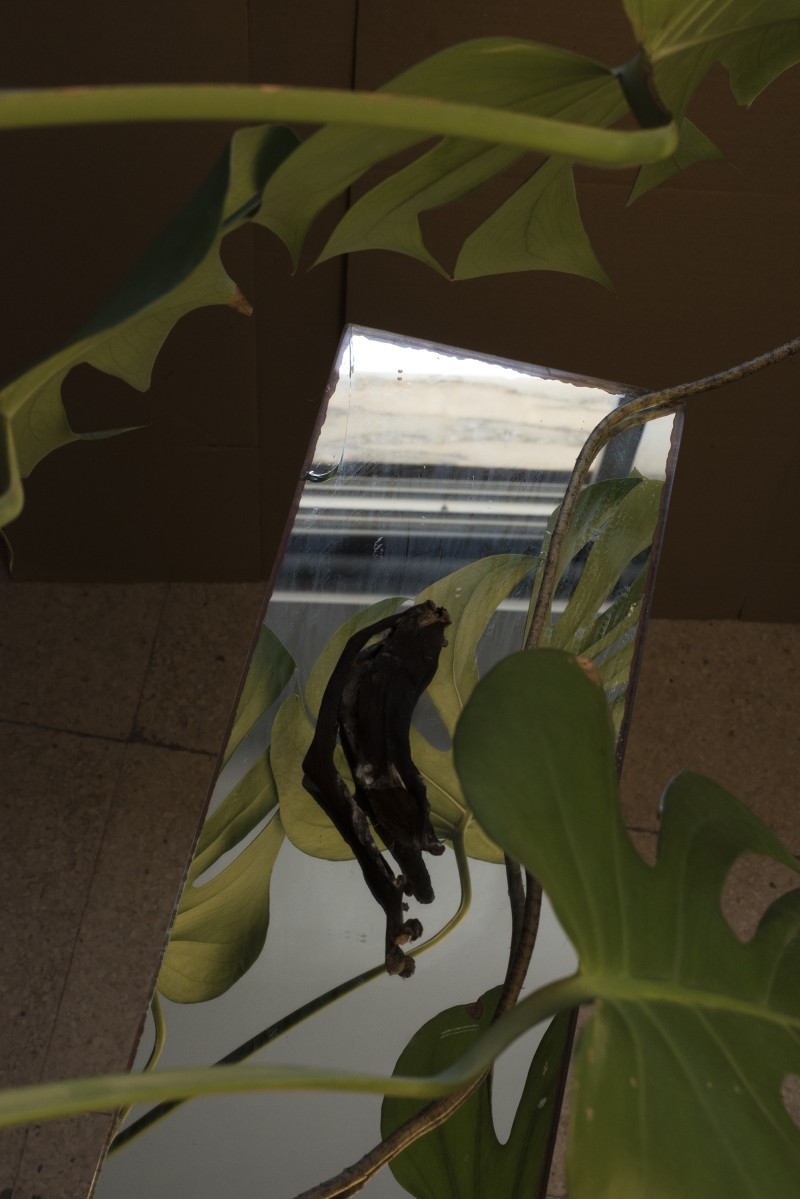
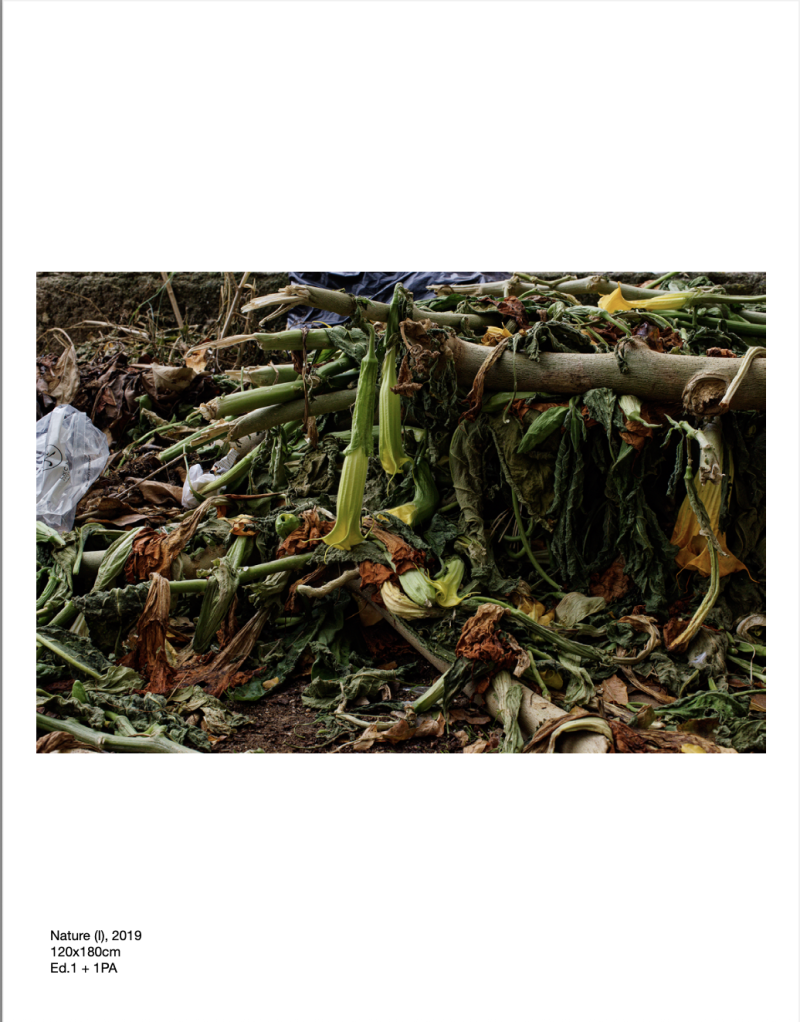
Alongside them, photographs of branches and trees laid on the ground, composed like still lifes, transform fragility into a possibility for observation, a way, in the artist’s words, “to grasp the banal and make it beautiful.”
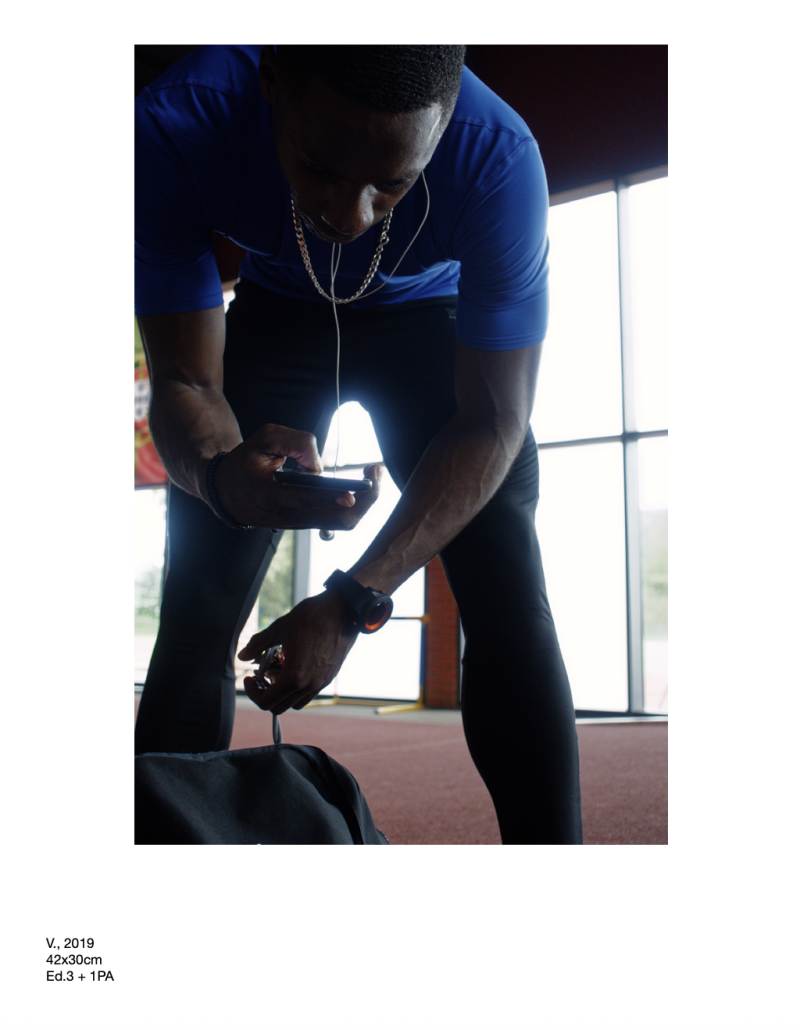
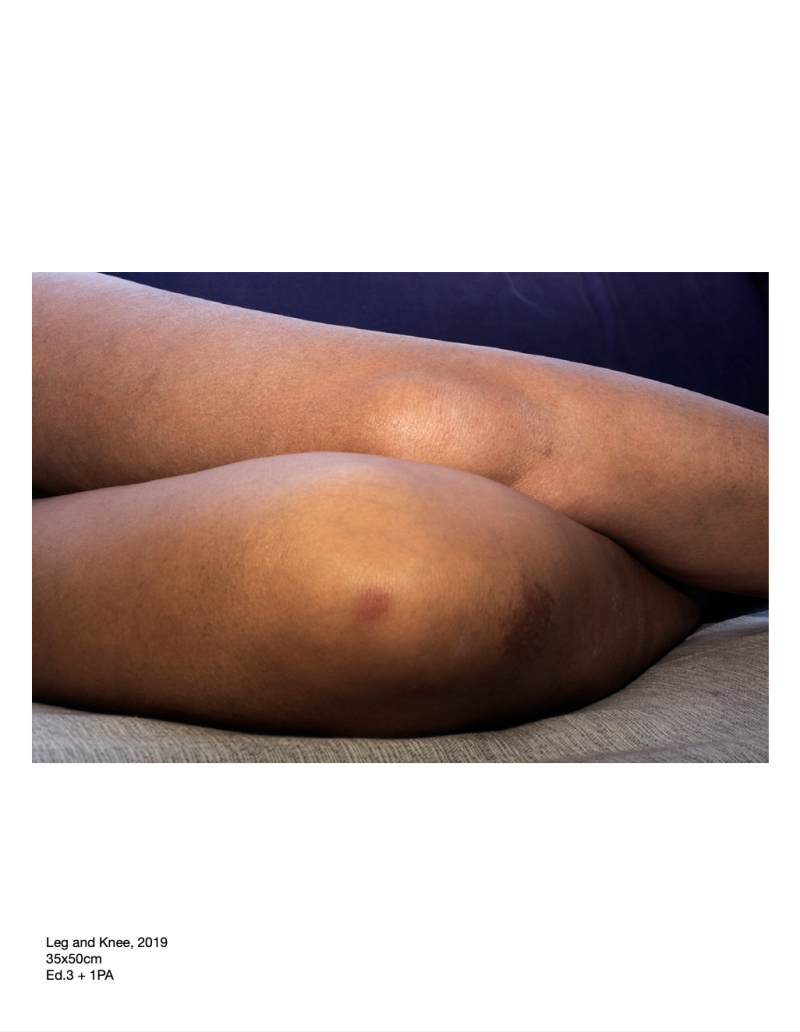
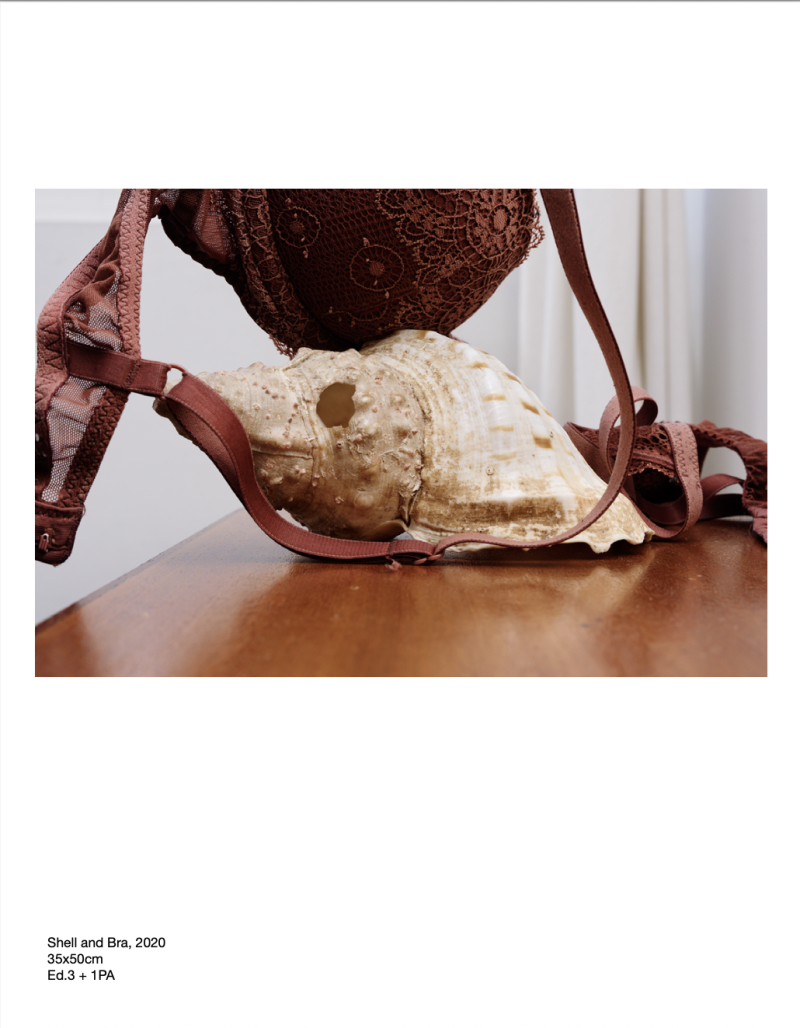
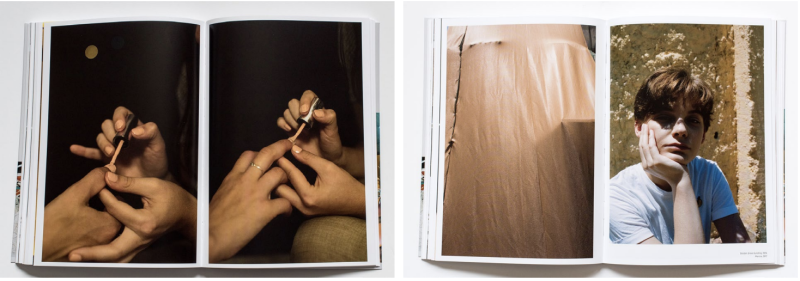
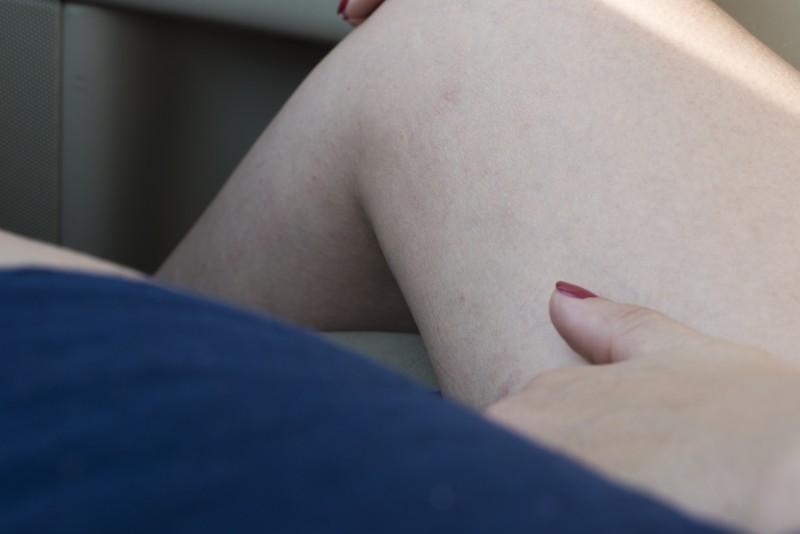
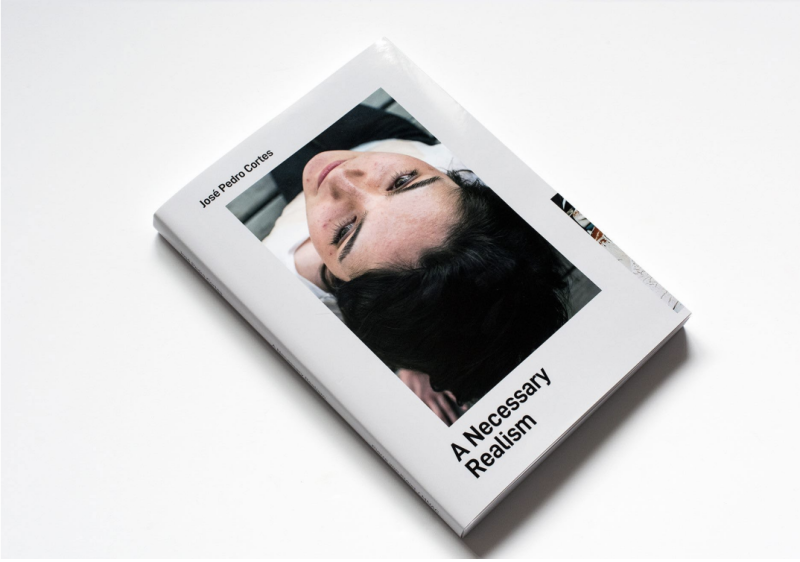
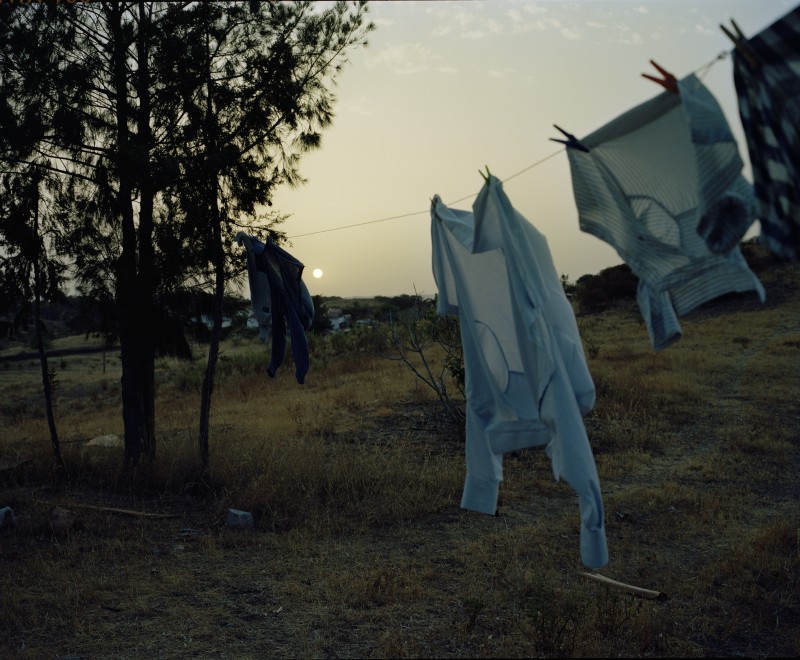
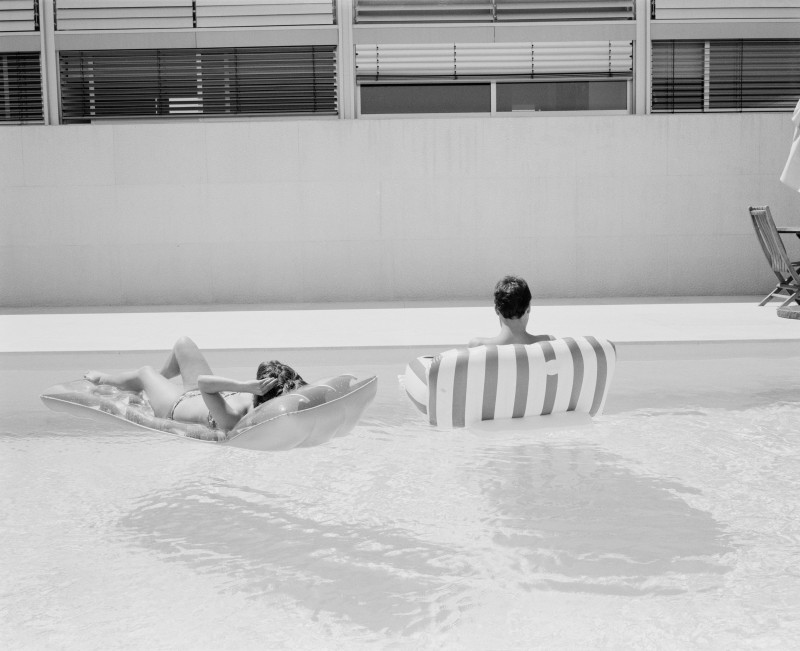
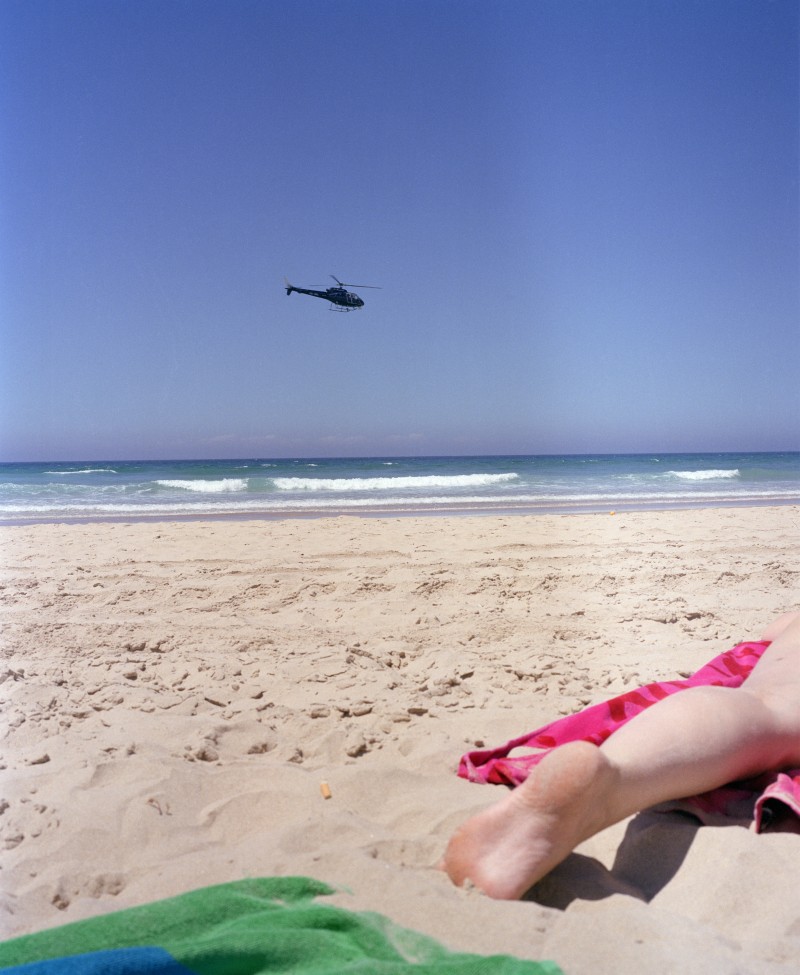
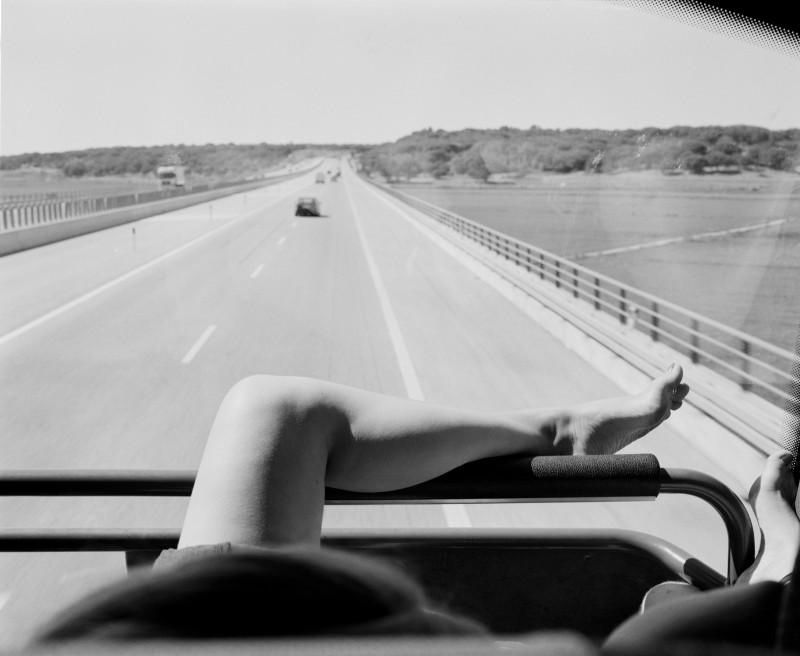
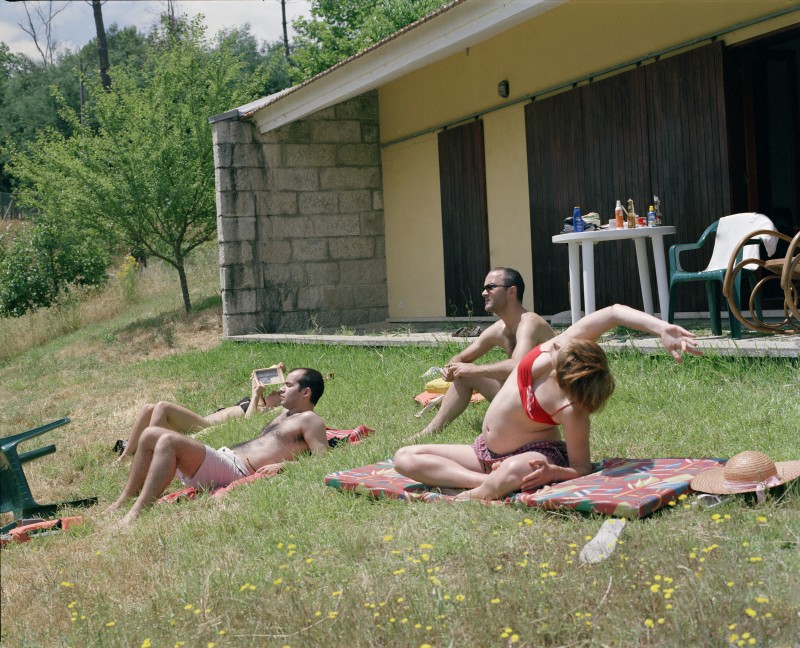
In A Necessary Realism, José Pedro Cortes revisits his archive. Five years after Costa (2013), a series marked by disillusion and stagnation that mirrored the European crisis, he pulls out individual images and weaves them together with others, old and new. He abandons the logic of series and instead thinks of his work as a continuous line, a “lifetime project” in the spirit of Harry Callahan.
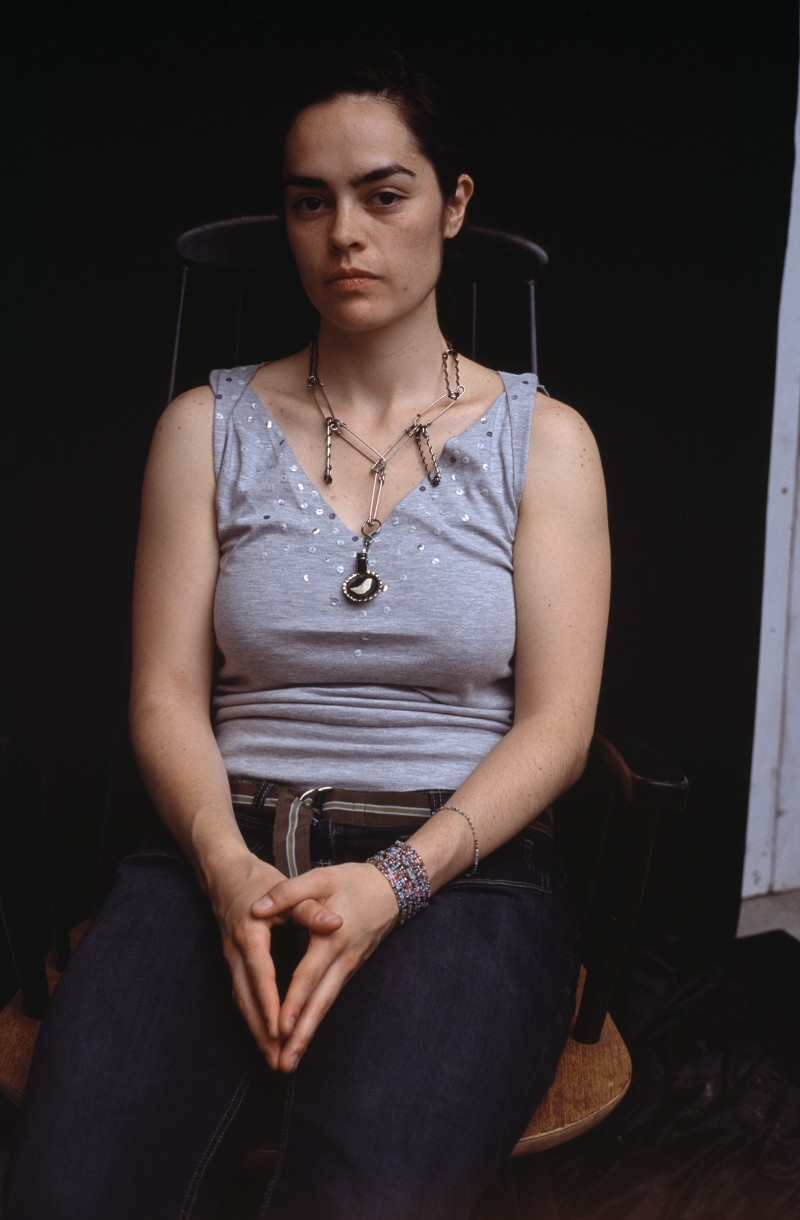
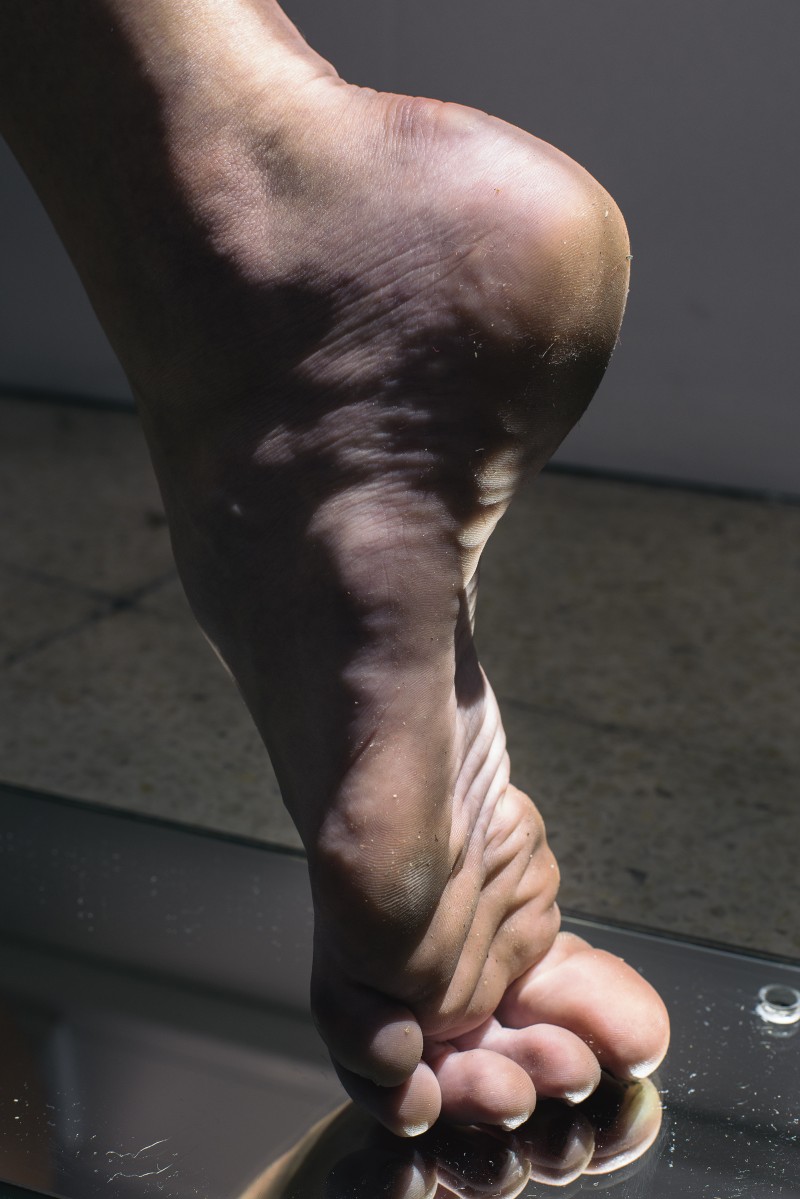
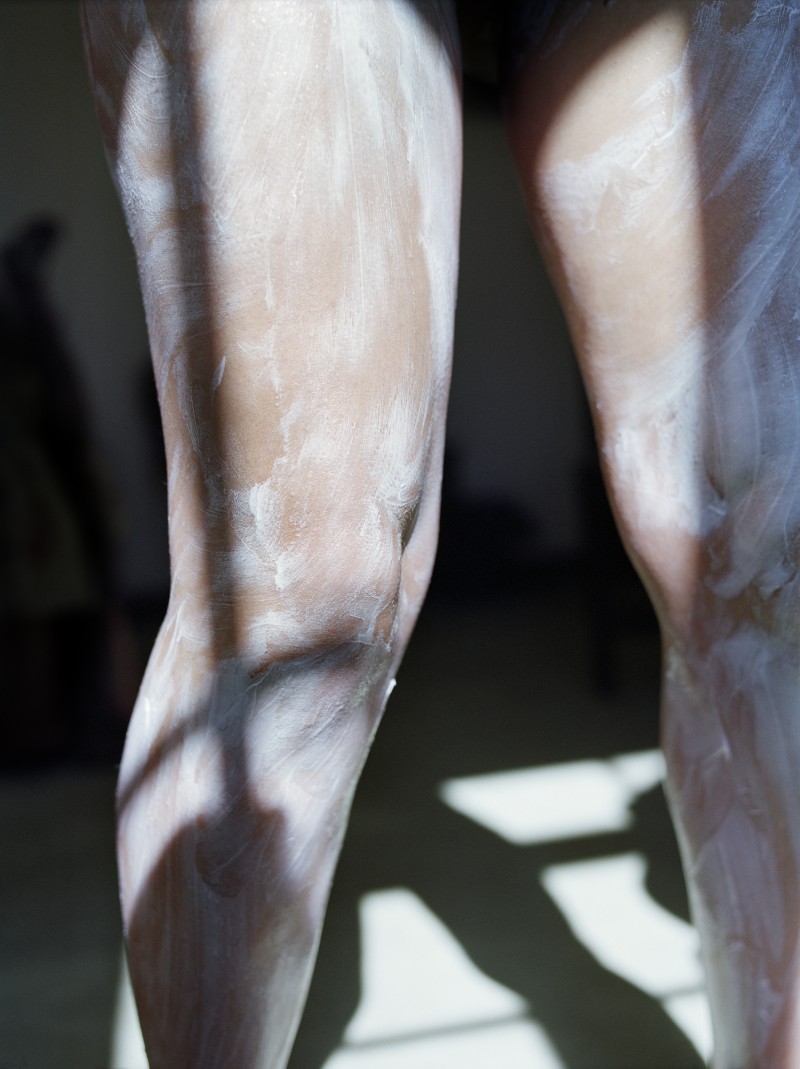
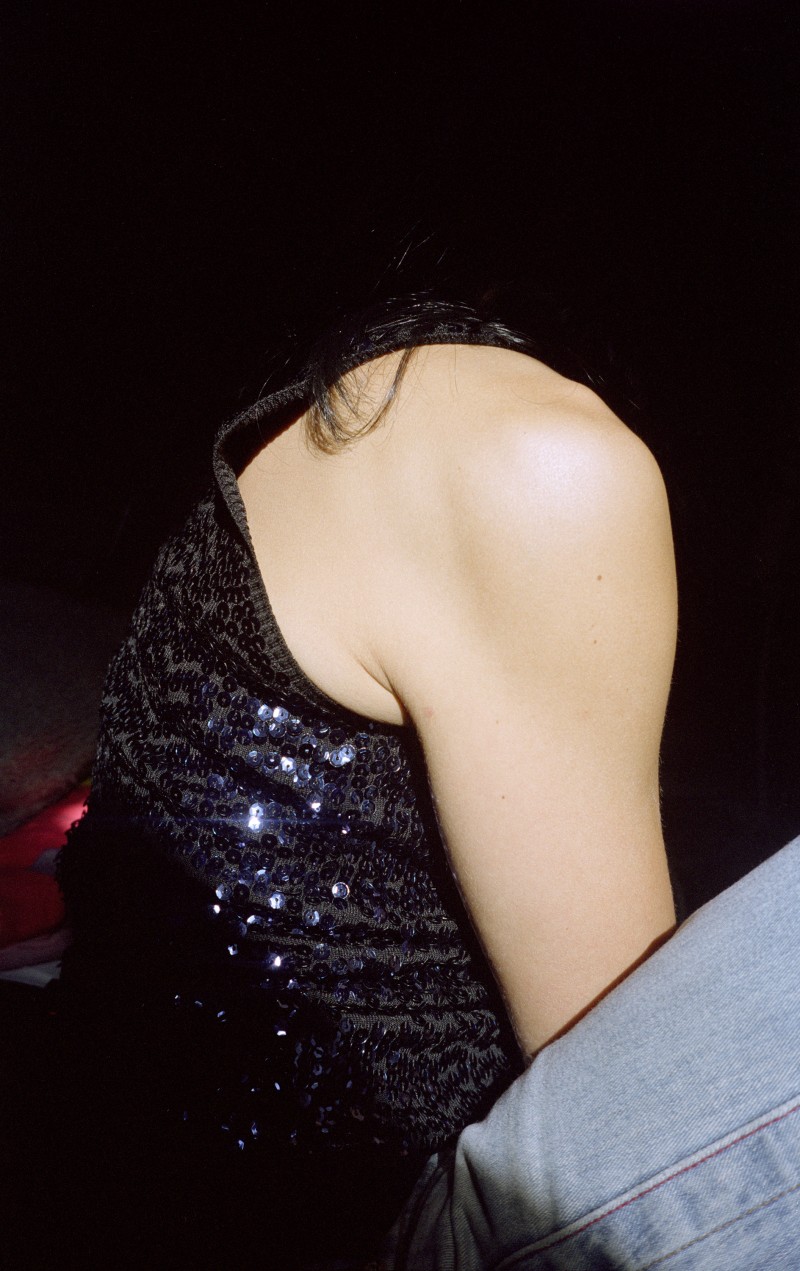
Freed from their original context, the images gain force: time becomes fluid, places hard to pin down, and the gaze moves from portrait to landscape, day to night, reality to abstraction. Four repeated sequences punctuate the book, including twelve images of a woman in a makeshift studio, a true collaboration between sitter and photographer.
Cortes doesn’t change time; he reorders it. In a society that is increasingly filtered and inward-looking, he argues for a necessary realism: urgency should return to the centre of photographic practice, by looking, and looking again.
Published in 2018 by Pierre von Kleist editions / MNAC, Museu Nacional de Arte Contemporânea do Chiado.